




- Tanzania has long been peaceful and stable, even in political transitions, making it a nation that is envied by many
- Recent happenings have, however, painted a different picture of the country after attracting global attention
- Many Tanzanians, however, have a different view of the real situation on the ground than what is being portrayed by the international media
- With calls for fresh protests on December 9, most citizens are worried and say all they want is to have a peaceful country
For decades, Tanzania has been one of East Africa’s most stable nations, or so it seemed when looked at from the outside.

Source: UGC
It was a country envied by many for its unity, calm and national identity – traits that run deep amongst Tanzanians.
Unlike most African nations, there has been peace and stability in Tanzania even during political transitions. It is for these reasons that what happened in Tanzania and calls for nationwide protest on December 9 have caught the attention of many, both within and beyond Africa.
What is the real situation in Tanzania?
As outside observers, it is imperative to approach the Tanzanian issue with not only clarity but also responsibility. The truth of the matter is that not everything being said internationally paints the full picture of the nation. Equally, not every dramatic report captures the reality of what Tanzanians are going through in their daily lives after the unprecedented happenings.
When you speak to people who live in Tanzania today, one thing becomes clear: their experiences are different from the narratives presented by most of the international outlets.
Many are of the view that foreign media have misunderstood the situation and, at times, exaggerated certain details.
Others argue that the manner in which foreign media framed happenings in the country was through an outsider’s lens. Luckily, citizens in East Africa understand how quickly misinformation can spread once an issue receives global attention and is turned into a political story.
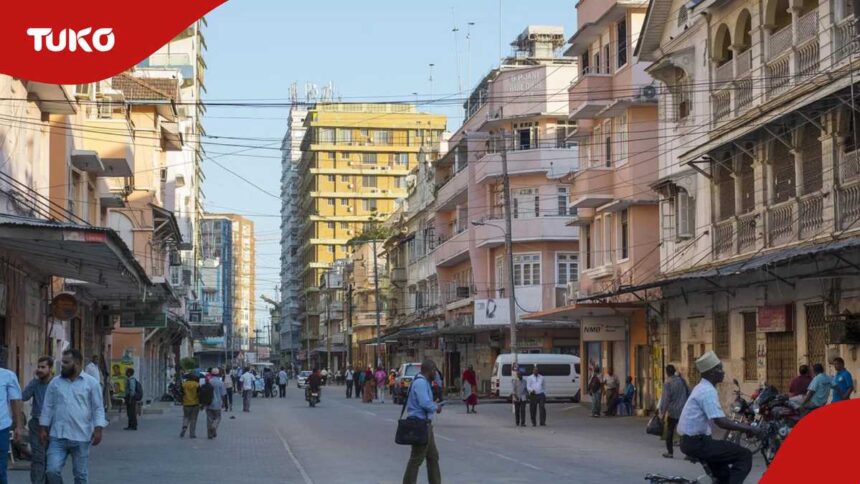
It is for this reason that the narrative being put out, that Tanzania is ‘falling apart’, somehow rings untrue to the majority of the locals, whose lives seem just as usual as they have always been. They continue to go to work, open their shops, attend school, run businesses, and live their normal routines.
What are Tanzanians saying about the situation in their country?
The most recent conversations and testimonies given by ordinary people in Tanzania suggest they are all interested in one thing: They don’t want further unrest.
Here is a highlight of some of their sentiments:
“We have already seen tension. Another protest will only bring more fear,” said Zuberi, a shop owner in Dar es Salaam.
“Foreign media can say what they want, but they won’t be here to deal with the consequences,” noted Omari, a parent in Mwanza.
“What people outside the country don’t understand is how much we value peace here. We don’t want to lose it,” said Adimu, a university student in Arusha.
“Mimi na mke wangu tumengoja mtoto kwa ndoa miaka nne bila mafanikio, huu mwaka tulibarikiwa… Mke wangu anapaswa kujifungua tarehe tisa huu mwezi wa Disemba… Amani tu ndo naombea inchi yangu,” said Joseph Boko, a husband to Rita from Dodoma.
“Kwa maandamano yaliyopita, mtoto wangu wa miaka 9 alishindwa kulala kabisa kwasababu ya mlio wa risasi na kelele kutoka uko inje, kila napo kumbuka vile aliteseka kupata tu usingizi, sitamani tena apitie kitu kama hicho tena kwa maisha yake,” noted Ann, a single mother of 4 girls.
From the sentiments of Tanzanians themselves, which are not political in any way, all they want is stability, and that is their real concern.
Should Tanzanians be worried about the planned December 9 protests?
When you look at the Tanzanian issue from an outside perspective, you can get a clear view of why many are worried about the planned protest.

Source: Facebook
The protests are likely to cause economic disruption, which, in turn, will harm local families the most, while opportunists may take advantage of crowds to fuel unrest.
With the call for protests, it is a fact that even peaceful gatherings can escalate unexpectedly, and in some instances, security responses can intensify under pressure.
More protests are also likely to divide the country, which is already in a sensitive moment. When a nation is still healing from recent tension, the last thing it needs is another spark.
What is the best way forward for Tanzania?
In most cases, protests are a result of genuine frustrations that cannot, and should never be ignored. Everyone has a right to express themselves and raise concerns as well as demand fairness.
However, there is a thin line between seeking change and engaging the nation’s peace and stability.
Like any other country, Tanzania also needs room for reforms, reconciliation, dialogue and accountability.
Similarly, it needs to protect its long-standing unity that has been the envy of many nations.
As the clock ticks towards December 9, a message from Tanzanians is clear and consistent: This is not the time for the streets. This is a time for calm, conversation, and national healing.
By now, it’s clear to all that when protests happen, they can easily spiral out of control. No matter how strong a nation is, it can never be immune to consequences. This is why the call to avoid protests on December 9 is about protecting a nation and not suppressing voices.
Peace is a choice. Stability is a responsibility, and Tanzania has too much to lose to risk unnecessary turmoil.
Source: TUKO.co.ke