



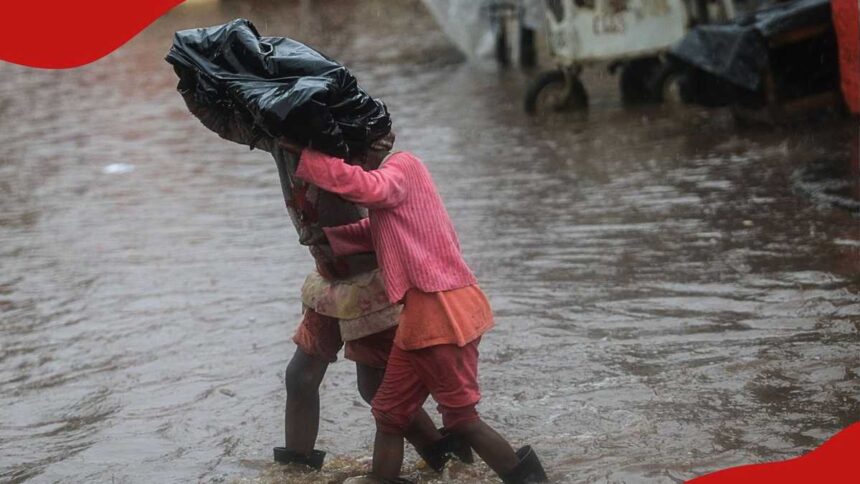
- ICPAC predicted wetter-than-normal rainfall for Kenya from March to May 2026, specifying regions that would be affected
- GHACOF 72 stressed importance of early warnings to prevent climate-related hazards and protect livelihoods
- Kenya Meteorological Department director emphasised on the importance of early preparation ahead of the expected rains
Nancy Odindo, a TUKO.co.ke journalist, has five years of experience covering Kenyan politics, news, and features in digital and print media.
The IGAD Climate Prediction and Applications Centre (ICPAC) has released the climate outlook for the March to May (MAM) 2026 long rains, placing Kenya among the countries to experience wetter-than-normal rainfall during the period.

Source: Getty Images
The outlook was released on Tuesday, January 27, following the 72nd Greater Horn of Africa Climate Outlook Forum (GHACOF 72) held in Nairobi.
“GHACOF remains a critical regional platform for building consensus on climate risks and translating seasonal forecasts into early action that protects lives, livelihoods, and development across the Greater Horn of Africa,” said ICPAC director Abdi Fidar.

Search option is now available at TUKO! Feel free to search the content on topics/people you enjoy reading about in the top right corner 😉
What is the weather forecast for March to May in Kenya?
According to ICPAC, central to western Kenya, Rwanda, parts of Uganda, Tanzania, Ethiopia, Burundi, South Sudan, Djibouti, and northern Somalia have a 45% chance of experiencing above-average rainfall.
Near-normal rainfall is 40% likely to be experienced in northeastern and southwestern Kenya, coastal Tanzania, most of Somalia, western and eastern South Sudan, and isolated areas of Ethiopia and Uganda.
“Dry spells may still occur in areas forecasted to receive near-normal or above-normal rainfall. Wet spells may occur in areas forecasted to receive near-normal or below-normal rainfall,” ICPAC said.
Among the regions that expect drier-than-normal conditions are the coastal parts of Kenya.
Additionally, ICPAC warned that there are higher probabilities of warmer-than-average temperatures expected in Djibouti, Kenya, Somalia, Tanzania, Sudan, and parts of Ethiopia.
However, parts of central to northern Ethiopia would experience cooler-than-average conditions.

ICPAC calls for early preparation
ICPAC urged countries to closely monitor the updated forecasts to inform timely planning and decision-making.
It also urged the member states to scale up preparedness and anticipatory actions to protect lives and livelihoods, safeguard critical infrastructure, and minimise potential flood and drought impacts, despite the normal rains being beneficial in agriculture.
Kenya Meteorological Department director Edward Muriuki emphasised that early warning would help mitigate climate risks and provide timely information that would enable institutions, communities and governments to prepare and respond effectively.

Source: UGC
Meanwhile, GHACOF was attended by 11 countries of the Greater Horn of Africa region, including Kenya, Ethiopia, Sudan, South Sudan, Eritrea, Somalia, Uganda, Tanzania, Burundi, Rwanda, and Djibouti.
Other key sectors that were represented included livestock, health, conflict and climate change, agriculture and food security, disaster risk management, and water resources.
What should Kenyans have during floods?
Previously, Dr Moses Kihuga, a diagnostic medicine practitioner, shared insights into flood preparedness during rainy seasons.

The health expert said typhoid, cholera, and other waterborne diseases might increase and advised Kenyans to buy Oral Rehydration Solutions (ORS) in case of infection.
Kihuga also warned of a spike in mosquito-borne diseases due to the conducive breeding environment and recommended sleeping under treated nets.
Further, he advised that in case of infections, Kenyans should only take medically recommended concoctions for respiratory infections.
Proofreading by Jackson Otukho, copy editor at TUKO.co.ke.
Source: TUKO.co.ke